


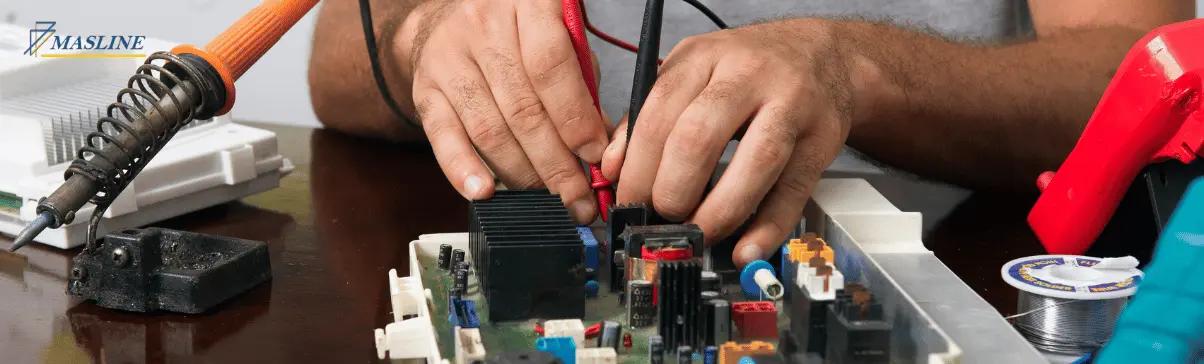
Electronic component lead times can have a significant impact on production schedules, inventory requirements, product launches, and overall supply-chain performance. For OEMs and manufacturers, a component that was readily available during the design stage can become difficult to obtain by the time a product reaches production.
Long lead times and allocation cannot always be avoided, but manufacturers can reduce their exposure by identifying risk earlier, improving visibility into component availability, and developing sourcing and alternative-part strategies before shortages affect production.
What Is an Electronic Component Lead Time?
An electronic component lead time is the period between placing an order and receiving the components needed for production.
Lead times can vary considerably by manufacturer, product family, component type, production capacity, order quantity, and market demand. A part that normally has a relatively predictable lead time may suddenly become constrained when demand exceeds available manufacturing capacity.
For procurement teams, the important question is therefore not simply “What is the current lead time?” but also “How much risk does this component represent to our future production requirements?”
What Causes Long Electronic Component Lead Times?
Several conditions can cause component lead times to increase.
1. Demand Exceeding Production Capacity
Rapid increases in demand can consume available inventory and manufacturing capacity faster than suppliers can replenish it.
2. Manufacturing Constraints
Semiconductor fabrication, raw-material availability, specialized manufacturing processes, labor constraints, or production interruptions can restrict supply.
3. Single-Source Components
When a design depends on a component available from only one manufacturer or manufacturing location, there may be fewer options when supply becomes constrained.
4. Unexpected Market Disruptions
Transportation interruptions, geopolitical events, natural disasters, regulatory changes, and other supply-chain disruptions can affect component availability.
5. Product Lifecycle Changes
Components approaching End-of-Life (EOL), Not Recommended for New Designs (NRND), or obsolescence can become progressively more difficult to source. Learn more about electronic component obsolescence and product lifecycle management.
The result can be longer delivery schedules, higher inventory requirements, delayed production, or the need to identify alternative components.
What Does Component Allocation Mean?
Allocation occurs when demand for a component exceeds available supply and the manufacturer or supplier limits the quantity available to individual customers.
During allocation, placing a larger order does not necessarily guarantee that the entire quantity will be delivered when requested. Available production may instead be distributed among customers according to existing commitments, historical demand, contractual relationships, or other considerations.
This makes accurate forecasting particularly important. Manufacturers that recognize potential constraints early have more time to develop alternatives instead of reacting after a component has already become critical.
How Can Manufacturers Manage Long-Lead Components?
1. Identify Long-Lead Parts Early
Lead-time risk should be evaluated before a product reaches full production.
Reviewing the Bill of Materials (BOM) can help identify components with unusually long lead times, limited availability, single-source dependencies, lifecycle concerns, or other potential supply risks.
Components that could stop production should receive greater attention than easily replaceable or widely available parts.
2. Improve Demand Forecasting
Suppliers and distributors can provide better support when they have greater visibility into expected demand.
Manufacturers should communicate anticipated requirements as early as practical, particularly for components with long manufacturing cycles or historically constrained availability.
Forecasting does not eliminate supply constraints, but it can provide additional time for inventory planning, production scheduling, and sourcing.
3. Identify Alternative Components Before They Are Needed
Waiting until a component becomes unavailable is one of the most difficult times to begin searching for a replacement.
Engineering teams should identify potential alternate components for high-risk items during the design and qualification process whenever possible.
An alternate component should be evaluated for more than basic fit and function. Depending on the application, engineers may need to consider:
- Electrical characteristics and performance specifications
- Mechanical dimensions and package compatibility
- Materials and environmental ratings
- Regulatory requirements and certifications
- Component lifecycle status
- Manufacturer documentation and traceability
Prequalified alternatives can dramatically reduce response time when the primary component becomes constrained.
4. Reduce Unnecessary Single-Source Dependencies
Some applications require a unique component, but other designs may allow equivalent or functionally similar products from multiple manufacturers.
Where technically appropriate, designing with multiple approved sources can provide additional flexibility when one manufacturer experiences extended lead times or allocation.
The objective is not simply to find more suppliers. It is to develop qualified, technically acceptable sourcing options before they become necessary.
5. Work With Authorized Distribution
When components become scarce, manufacturers may be tempted to pursue any source showing available inventory. However, availability should not replace supplier qualification.
Working with authorized electronic component distributors can provide greater confidence in product authenticity, traceability, manufacturer support, and documentation while also providing access to technical and sourcing resources.
This becomes increasingly important when constrained supply attracts questionable inventory into the marketplace.
6. Monitor Component Lifecycle Status
Lead-time management and lifecycle management should be closely connected.
A component moving toward NRND, EOL, or obsolescence may present a different type of risk than a temporary allocation issue. Procurement and engineering teams should monitor lifecycle information so they can distinguish between a temporary shortage and a longer-term availability problem.
When a lifecycle change is identified, manufacturers may need to evaluate alternatives, redesign a portion of the product, or consider a last-time buy.
7. Prioritize Components by Production Risk
Not every long-lead component represents the same level of risk.
A useful approach is to evaluate parts according to factors such as:
- Current and expected lead time
- Number of approved sources
- Available inventory
- Component lifecycle status
- Availability of qualified alternatives
- Production requirements
- Replacement difficulty
- Consequences of a shortage
This allows procurement and engineering teams to concentrate resources on the components most capable of disrupting production.
Why Engineering and Procurement Need to Work Together
Managing long-lead components is not exclusively a purchasing responsibility.
Procurement teams understand availability, supplier conditions, pricing, and sourcing challenges. Engineering teams understand the technical requirements that determine whether another component can be used.
When these groups collaborate early, manufacturers can make better decisions about alternate components, design flexibility, inventory commitments, and lifecycle risks.
The goal is to move component availability from a reactive purchasing problem to a proactive engineering and supply-chain consideration.
How Can a Distributor Help Manage Lead-Time Risk?
A value-added electronic component distributor can help manufacturers look beyond the immediate question of whether a part is currently in stock.
Distributor support may include identifying potential component alternatives, providing manufacturer information and technical resources, monitoring availability and lifecycle changes, supporting sourcing strategies, and helping procurement and engineering teams evaluate supply-chain options.
Masline Electronics combines technical expertise, engineering support, sourcing assistance, and supply-chain solutions to help OEMs, contract manufacturers, and industrial automation companies make better-informed component decisions.
Through Masline's national call center in Rochester, New York, Local Regional Managers, and the Masline digital platform, customers can access technical assistance, component information, sourcing support, and resources designed to help manage component availability and supply-chain risk.
Frequently Asked Questions
Why Are Electronic Component Lead Times So Long?
Long lead times can result from increased demand, limited manufacturing capacity, raw-material constraints, transportation disruptions, single-source dependencies, and component lifecycle changes. The cause can vary considerably by component and manufacturer.
What Is an Allocation Part?
An allocation part is a component for which demand exceeds available supply and the available quantity is being distributed or restricted among customers.
How Can Manufacturers Reduce the Risk of Long-Lead Components?
Manufacturers can reduce risk by identifying critical components early, improving forecasting, qualifying alternate components, reducing unnecessary single-source dependencies, monitoring lifecycle status, and working closely with authorized suppliers.
When Should Alternative Components Be Identified?
Ideally, potential alternatives should be evaluated during design and BOM review rather than after the original component becomes unavailable. Early qualification provides more options if supply conditions change.
Should Manufacturers Buy Extra Inventory When Lead Times Increase?
Additional inventory can sometimes reduce production risk, but the decision should consider demand forecasts, component lifecycle, carrying costs, product changes, and the likelihood that supply conditions will improve. Inventory should be part of a broader risk-management strategy rather than the only response to extended lead times.
Building a More Resilient Component Supply Strategy
Electronic component lead times will continue to change as demand, manufacturing capacity, technology, and global supply conditions evolve. Manufacturers cannot control every disruption, but they can control how prepared they are to respond.
Identifying component risks earlier, qualifying alternatives, improving communication between engineering and procurement, monitoring lifecycle status, and working with authorized distribution can provide manufacturers with more options when supply becomes constrained.
The most effective strategy is simple: identify component risk before a long lead time becomes a production problem.
The Masline Electronics Difference
Masline Electronics is a multi-regional, value-added electronic component distributor providing technical expertise, engineering support, and supply-chain solutions to OEMs, contract manufacturers, and industrial automation companies. From its national call center in Rochester, New York, Masline delivers responsive customer service, technical assistance, and sourcing support, complemented by Local Regional Managers serving key markets.
Masline's distinctive digital platform brings together part data, component discovery, engineering resources, and sourcing in one integrated environment, enabling engineers and procurement professionals to make faster, better-informed design, purchasing, and supply-chain decisions.
